Lifemakers Group
Overview
The Lifemakers Group, two female students from the University of Duhok, conducted a PAR project with UNICEF to promote hydroponic farming as a sustainable solution to water scarcity, food insecurity, and environmental decline in Duhok and its surrounding villages.
What They Did
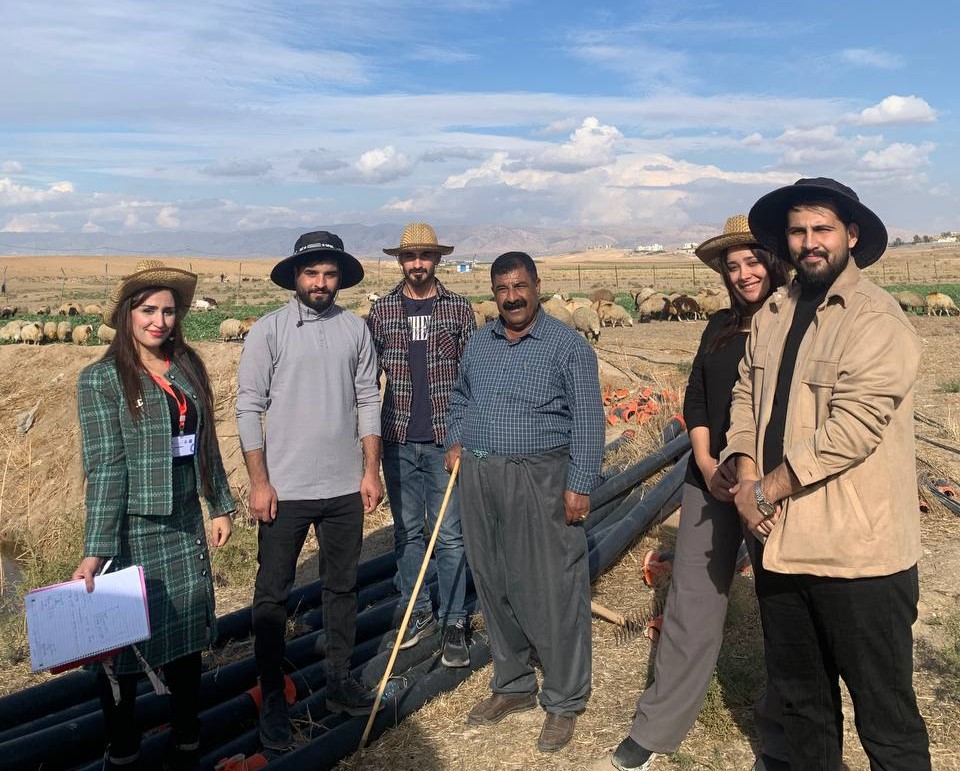
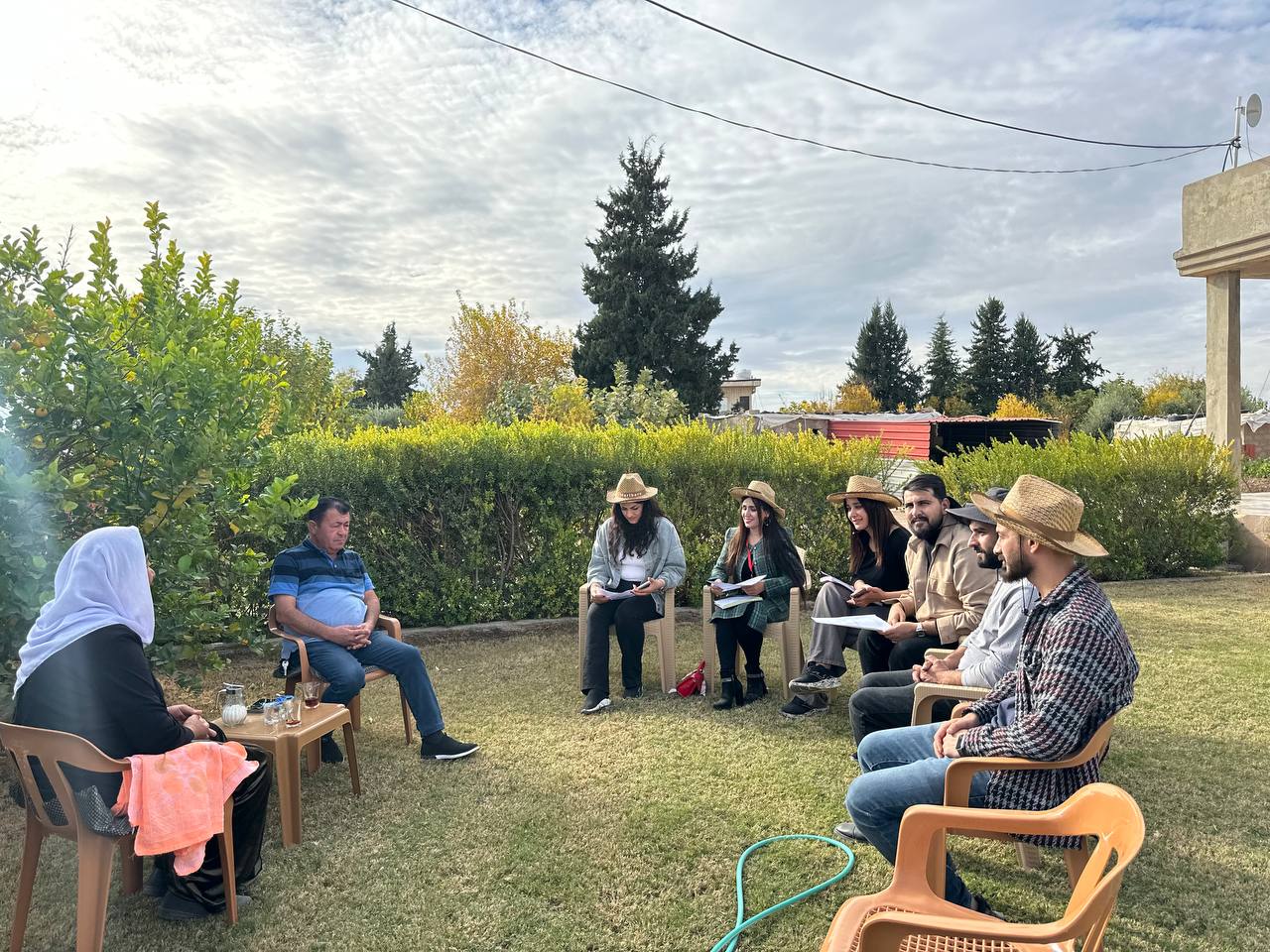
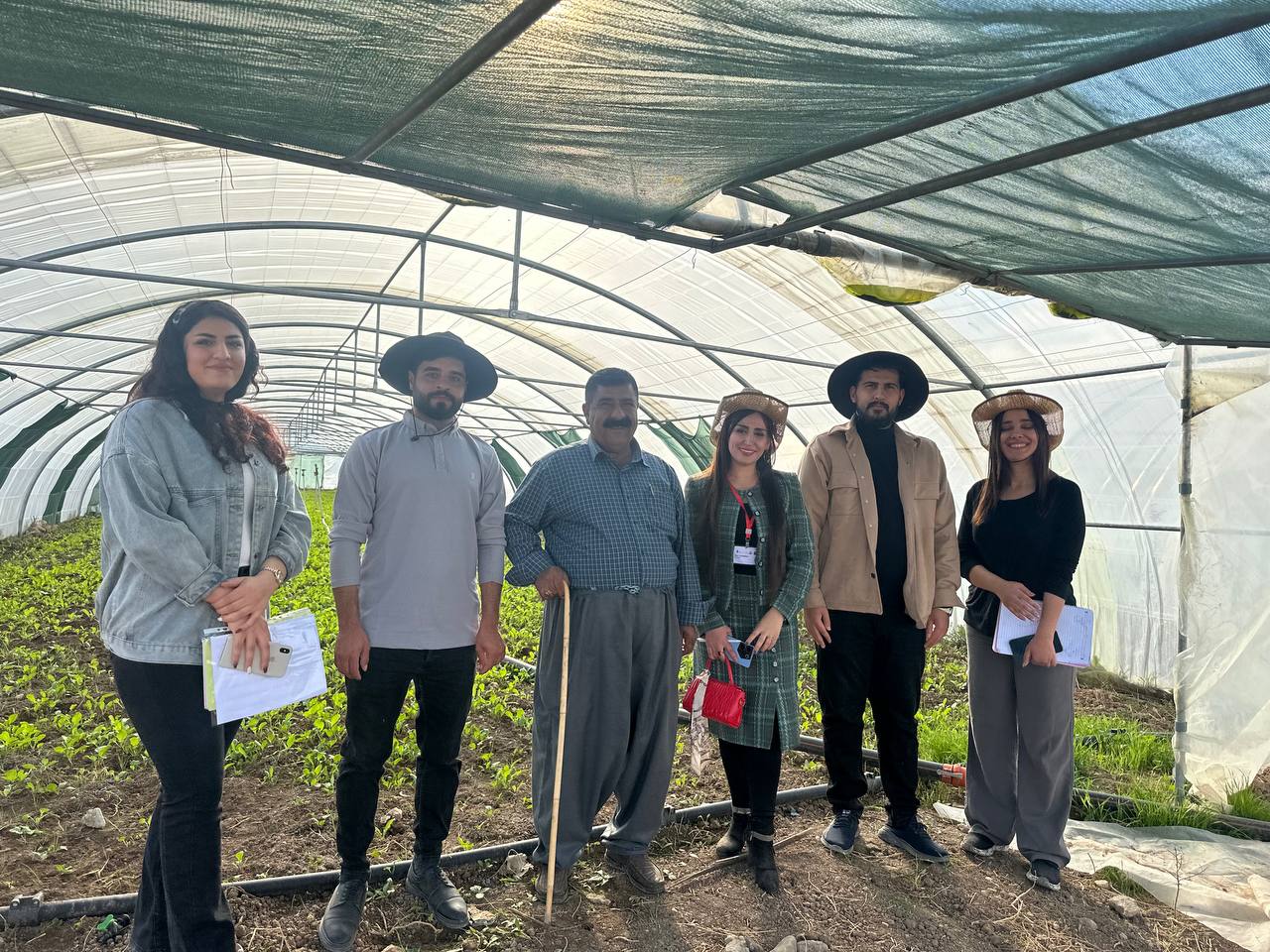
- 22 interviews with 106 farmers
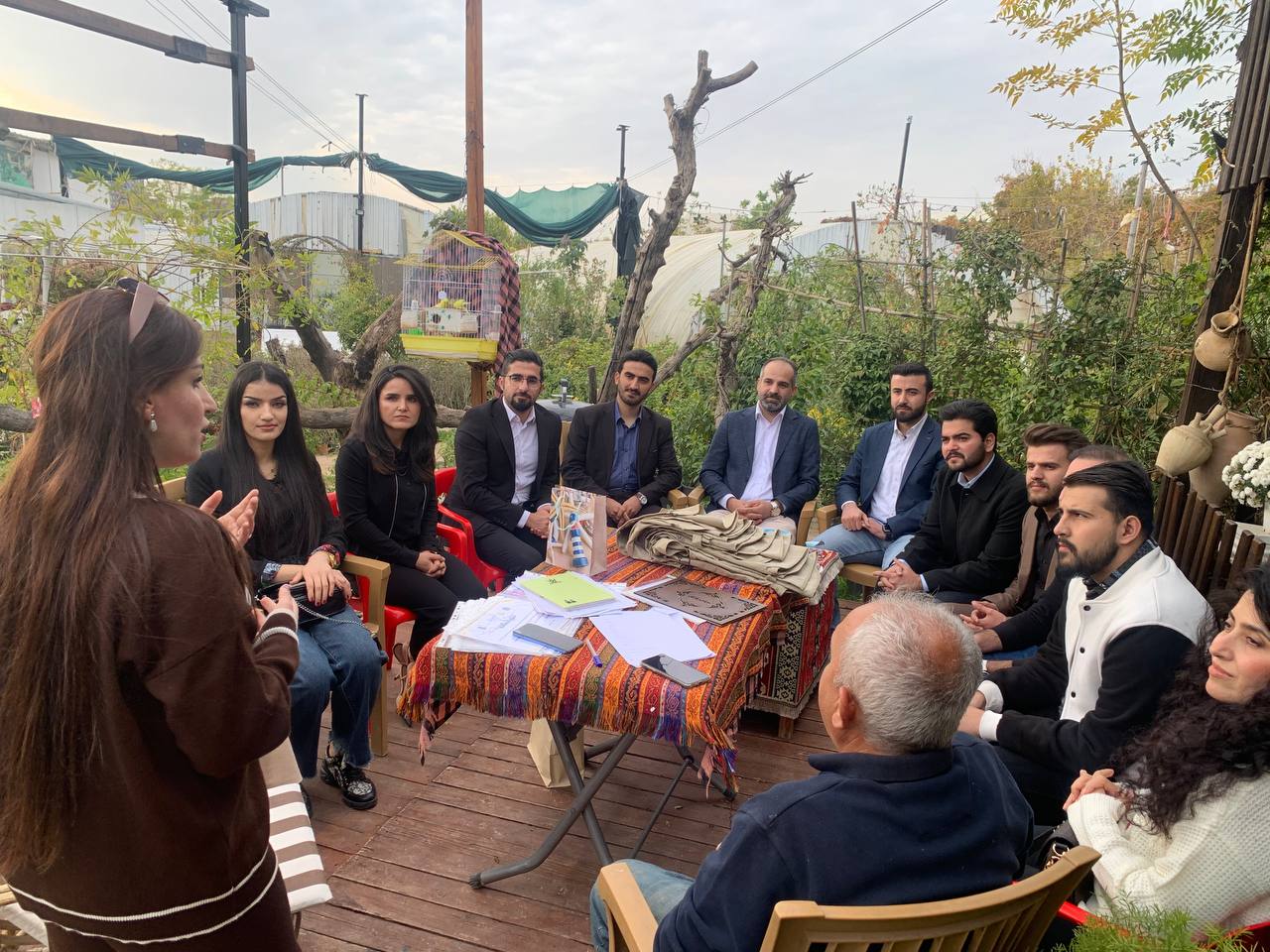
- 15 focus group discussions in rural/Yazidi communities
- 220 surveys from diverse agricultural workers
- Conducted workshops and field visits on smart agriculture
- Partnered with local agricultural departments and youth groups
Key Findings
- Youth more open to modern farming; elders preferred traditional methods
- Major challenges: water scarcity, equipment costs, contaminated water
- Hydroponics (36%) and smart irrigation (27%) were the most favored methods
- ABEER, a low-cost local nutrient mix, was well-received as an alternative to imports
- Moringa extract boosted crop productivity, especially broccoli
- Mixed views on chemical use: many supported, others had concerns
Recommendations
- Promote ABEER: a safer, low-cost fertilizer for hydroponics
- Encourage hydroponics for its low water use and higher food quality
- Train farmers, especially rural women and youth, in new techniques
- Improve infrastructure: water treatment, drainage, market access
Conclusion
Hydroponic farming offers real potential in Duhok’s agricultural future. Despite cultural and financial barriers, farmers showed readiness to adopt modern methods when paired with affordable, local solutions like ABEER. Empowering them through education and support is key to creating a more sustainable and resilient farming system.
📄 Full Report Download