Navy Group
Overview
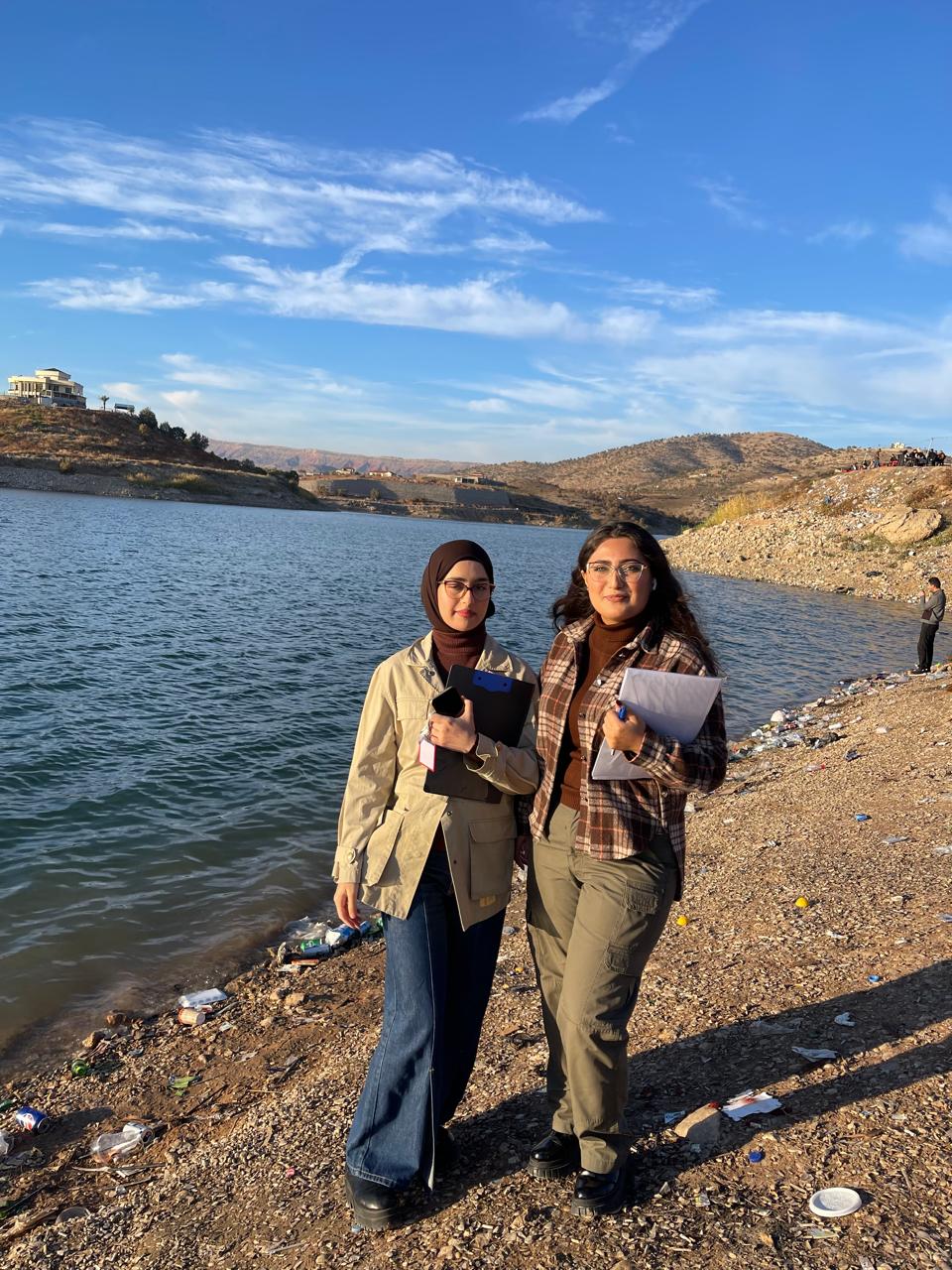
The Navy Group, students from the University of Duhok, conducted a PAR project with UNICEF to investigate plastic-induced water pollution in Duhok. The goal was to assess community awareness, evaluate waste management practices, and propose practical solutions to protect local water sources.
What We Did
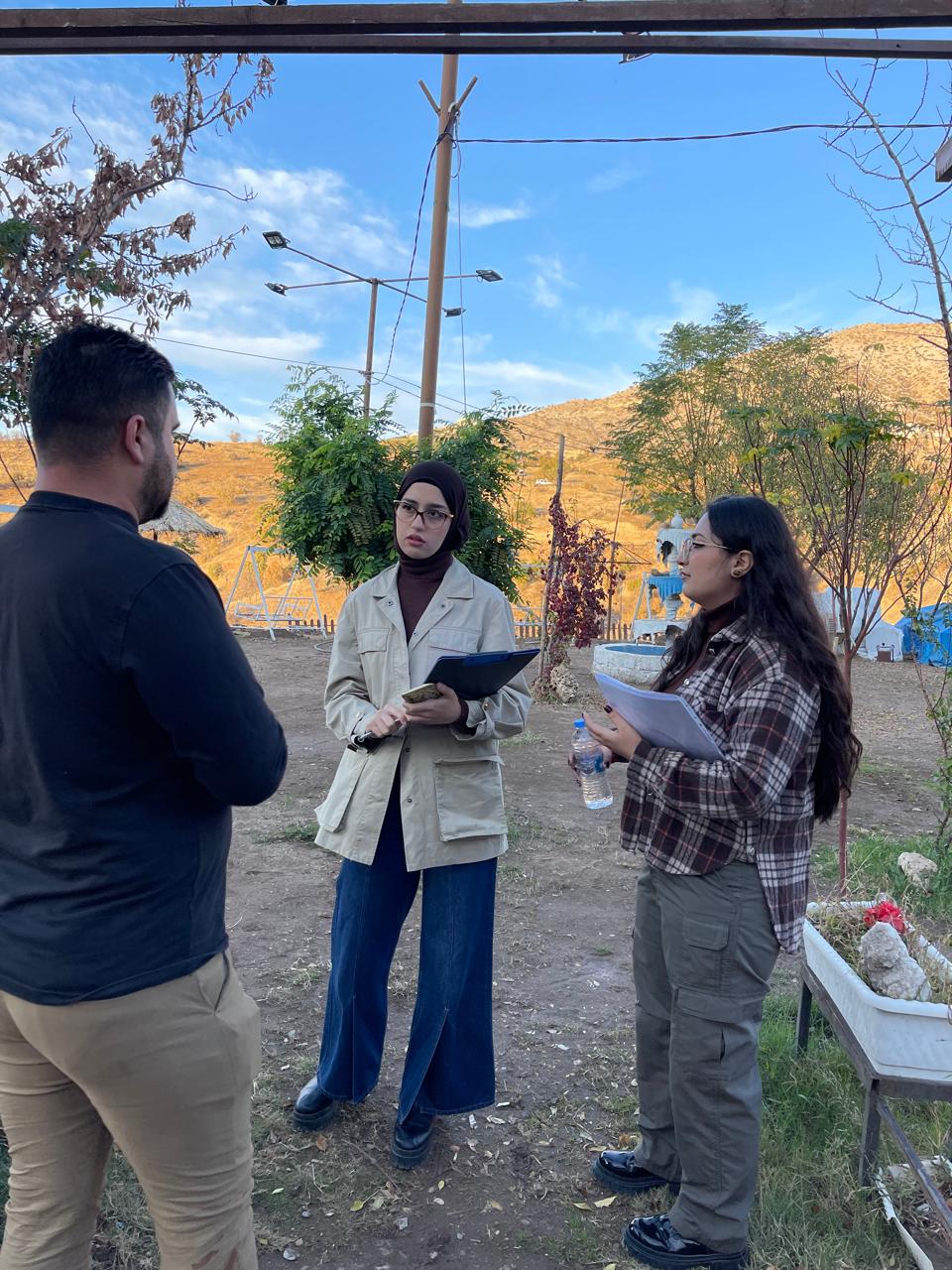
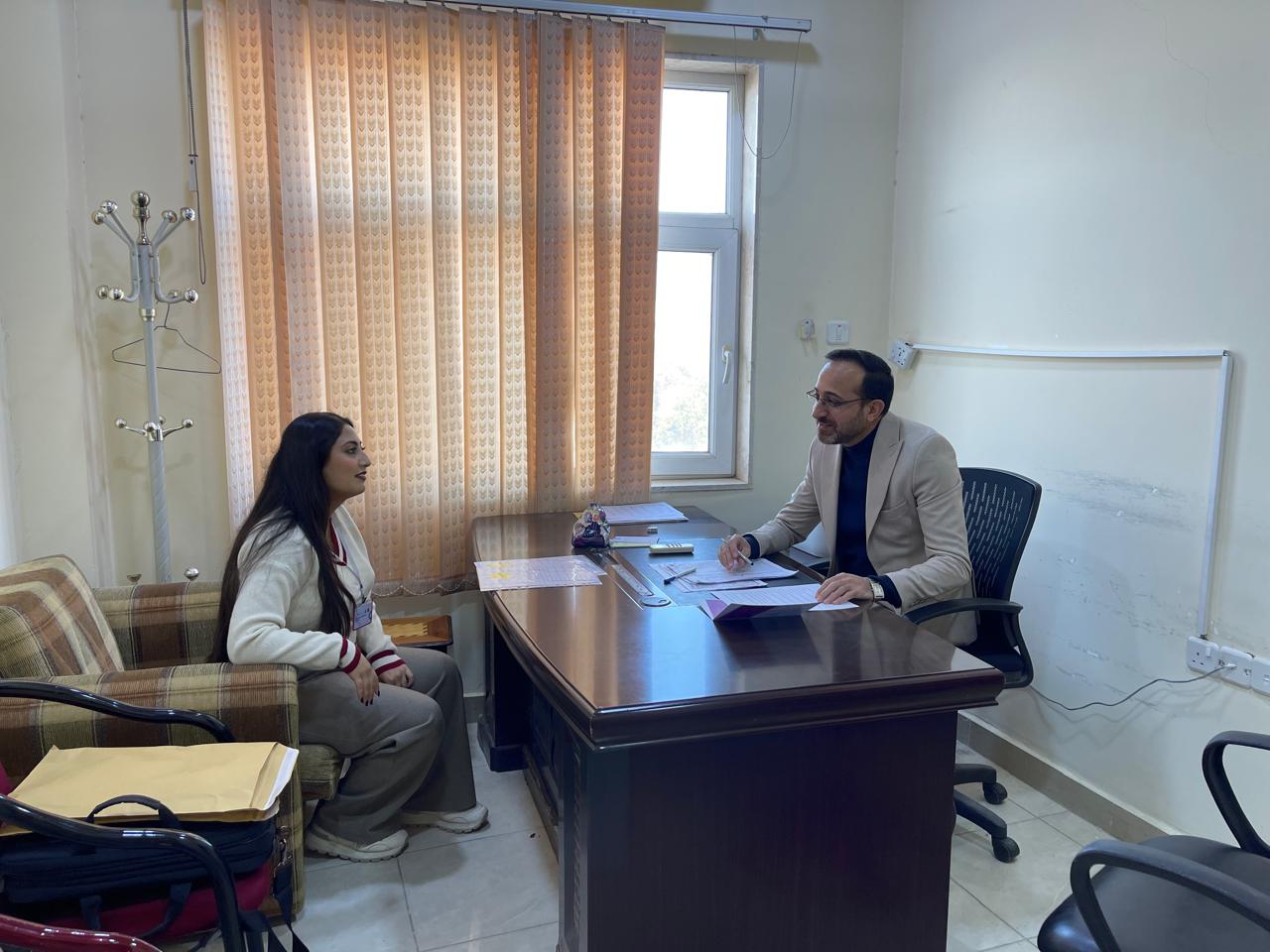
- 20 interviews with leaders, educators, and healthcare professionals
- 15 focus groups in urban and rural areas
- 176 public surveys across socioeconomic groups
- Reviewed global case studies (Rwanda, Germany, South Korea)
- Analyzed pollution sources, behaviors, and policy gaps
Key Findings
- 60% linked plastic waste to declining water quality
- Common waste: plastic bottles, tourist litter, building materials
- Public views plastic pollution as harmful, but knowledge is limited
- Waste management by authorities is seen as weak
- Strong support for bans on single-use plastics and recycling programs
Team Recommendations
- Launch local awareness campaigns and school programs
- Ban single-use plastics and enforce waste disposal fines
- Build recycling facilities and clean water infrastructure
- Use technology: GIS tools, chemical recycling, water purification
- Engage businesses with tax breaks and eco-incentives
Conclusion
Plastic waste is the leading cause of water pollution in Duhok. While awareness exists, infrastructure, policy, and funding gaps limit progress. But with community readiness, proven international models, and strategic partnerships, Duhok can become a model city for clean water and plastic-free environments.
📄 Full Report Download